News & Insights

We specialize in delivering creator-led commerce solutions for leading brands globally.

macro influencer

Companies dump massive chunks of their marketing budget into campaigns that return absolutely nothing. It is a huge mistake to think that tossing a few free products at random micro-creators will magically give you widespread market penetration. Running scattered and unorganized social media pushes can make your latest product go lost in the digital market. Therefore, collaborating with macro influencers can help you to reach your target audience and generate better sales.What is a Macro Influencer?A macro influencer can be defined as an established digital creator who commands a massive, highly engaged online audience. This category sits right between niche micro-creators and massive traditional celebrities. You stop targeting tiny local pockets of buyers and start pushing your message on a global scale. These creators have spent years building absolute credibility within broad categories like fashion, technology, and fitness. This process forces your business to leverage its established trust rather than starting from scratch. You completely eliminate the slow grind of building brand awareness organically.How Does Macro Influencer Follower Count Matter?Check the following list to understand how macro influencer follower count dictates the scale of your campaign:1. Drives massive immediate reachYou cannot achieve rapid market penetration by strictly utilizing small-scale creators. A large follower base guarantees that a single post instantly hits hundreds of thousands of individual feeds. This forces your brand into the mainstream conversation overnight. You build an undeniable surge of visibility that is critical during major seasonal releases or massive product drops.2. Dilutes the core engagement rateA larger audience naturally brings a shift in how followers interact with the content. You must accept that as follower numbers skyrocket, the direct engagement percentage often drops compared to smaller niche creators. A vast audience is heavily diluted with passive scrollers. You map this metric to understand that you are buying broad visibility and mass awareness, rather than a highly intimate, concentrated conversation.3. Validates industry authorityStatistics are proof right away. It is obvious to everyone in the market that with an audience of several hundred thousand, you carry a lot of weight in the industry. It immediately means that you get a credibility boost straight away. You present your product with a reputable figure, ensuring from the very start that people will take your offer seriously.4. Justify premium pricingIt does not come cheap to have millions of pairs of eyes looking at your offer. Your audience size determines how much you should spend on such a collaboration straight away. These influencers know the worth of their followers and demand high prices for advertising space on their pages. You spend your budget mercilessly, as you know that the expense will guarantee you a top-notch quality result.5. Expands audience demographicsA massive following rarely belongs to a single, tight demographic. You tap into a sprawling network of different ages, locations, and interests. This allows your brand to test the waters across multiple buyer personas simultaneously. You capture entirely new market segments that you might have completely ignored through traditional, highly targeted advertising channels.Why Brands Use Macro Influencers?Check the following list to understand why brands use macro influencers to dominate their market:1. Accelerate major product launchesYou need absolute market saturation the moment a new product goes live. Brands deploy these massive creators to hit the market with a coordinated, aggressive push. This guarantees that your target audience sees the product everywhere they look within a strict launch window. You completely kill the risk of a quiet, failed release by forcing your brand into the immediate digital spotlight.2. Elevate visual content qualityAmateur content destroys luxury branding. These creators treat their social media feeds as high-end digital portfolios. You get the top-quality photography and video editing, along with professional styling, without the need to engage an entire team of producers. Your product will definitely be presented with maximum visual impact, as is required by the best in the world.3. Secure cross-platform dominationYour buyers do not restrict themselves to a single application. Brands leverage these creators because they have successfully conquered multiple social networks simultaneously. A single collaboration can place your product on a trending video feed and a polished photo grid.  How Many Followers Do Macro Influencers Have: Things You Need to KnowThe main factors to understand regarding how many followers macro influencers have are explained below:1. Standard industry thresholdThe baseline numbers are not open to debate. A standard creator in this tier commands an audience ranging directly between 100,000 and 1 million followers. This specific bracket places them definitively above micro-creators and just below massive, global mega-celebrities.2. Platform-specific variationsYou must realize that follower value shifts depending on the social network. Reaching 500,000 subscribers on a long-form video platform requires a vastly different level of dedication than accumulating the same number on a rapid-fire short-video app. You evaluate the follower count directly against the platform's standard engagement difficulty.3. Impact of audience originA massive follower count means nothing if it was built on a single, viral fluke five years ago. You must analyze whether the audience grew through consistent, dedicated content creation or a random spike in visibility. You ensure that the creator's current following is actually active and genuinely interested in their ongoing daily content.ConclusionLeaving major creators out of your digital marketing mix completely destroys your reach. It is simply impossible to scale a modern brand quickly without locking down the right partnerships. On the other hand, when you actually take the time to understand the true power of a macro influencer, a quiet product rollout can quickly transform into a massive cultural event.Frequently Asked Questions1. What kind of budget do companies typically need to lock down a large creator for a campaign?The overall pricing changes quite a bit depending on the specific platform you select and the type of content you want them to make. A standard post from an established creator usually runs anywhere from a few thousand dollars up to tens of thousands. The final invoice relies heavily on things like contract exclusivity, content rights, and whether you are asking for a simple photo or a fully edited video package.2. Is it possible to get an exclusivity agreement so creators do not post about direct competitors?Absolutely, this approach is quite common. There would be no point in signing any deal without an exclusivity clause in place. This means that for a certain period of time, the influencer won't work with or refer to any of its competitors, which makes sure the sponsored content is authentic and doesn't have anything to do with competing brands.3. How do marketing teams within companies measure ROI when collaborating with macro influencers?Smart brands go beyond such superficial factors as comments and likes to find out what really works. The key tools include customized tracking links, promo codes, and conversion software. This helps the marketing department determine how many sales, website visits, and leads the collaboration resulted in.

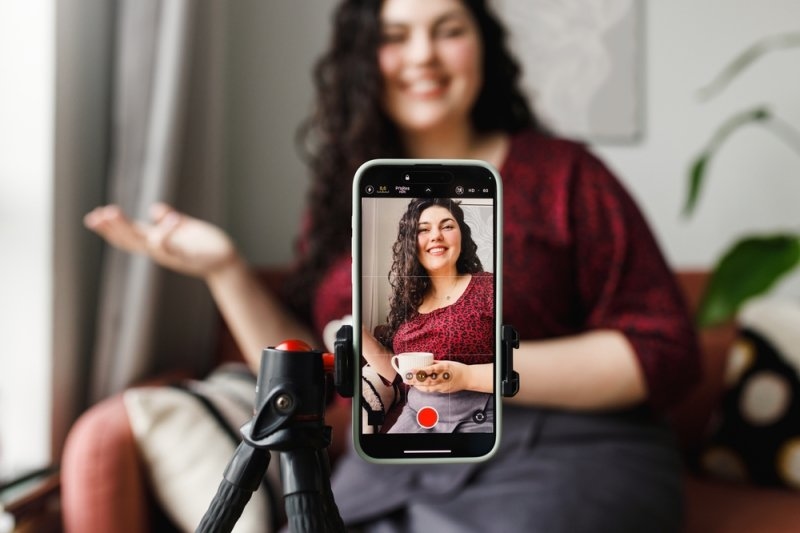
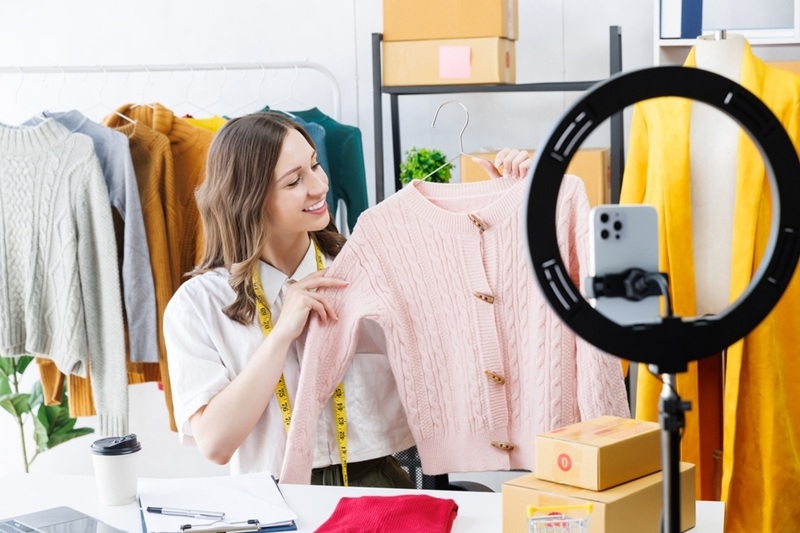
Macro influencer recording form her phone mounted on a tripod

Influencer Outreach Tips to Grow Brand Reach Online Fast

Brands post every day. Most get ignored. Not because the product is bad - people are simply overwhelmed. Ads blur together, feeds move too quickly. This is where creators matter. A real person talking about a product still cuts through noise faster than polished campaigns. But reaching influencers without a clear approach? That usually goes nowhere. Generic emails, rushed offers, fake personalization - creators spot it immediately. Building real connections takes more than sending messages in bulk. In this blog, we will cover practical influencer outreach tips, smart ways to connect with creators, mistakes to avoid, plus strategies that help grow brand reach online fast.Why Influencer Outreach Still Matters for BrandsGood products do not always sell themselves. Attention matters first.A smart influencer outreach process helps brands get in front of people who already trust a creator's opinion. That trust matters more than polished ads in many cases. Someone following a beauty creator for three years will likely care more about their skincare recommendation than a random sponsored post.Besides, influencer campaigns move quickly. A single creator can bring clicks, comments, brand searches - sometimes overnight. Yet speed only comes when outreach feels human.Build Relationships Before Asking for PromotionsMost brands fail because they start with a pitch instead of a connection.Spend time understanding creators first. Follow their content. Comment occasionally. Notice what type of products they naturally use. Small details matter. If someone posts casual, affordable fashion, pitching luxury watches may feel strange.Also Read: How Social Media Listening Can Change Your Brand Strategy?What is an Influencer Outreach and Why Does it MatterMany businesses still ask, "What is influencer outreach?" It sounds technical, but really, it is simple.Influencer outreach means contacting creators to build partnerships that help promote products, services, or brand messages. Sometimes it involves gifting products. Other times - paid deals, affiliate links, event invites, or long-term campaigns.But outreach is not only about selling.Understand What Creators Actually WantMost influencers receive repetitive pitches every week. Many sound almost identical.Here's what creators actually want:Fair pay or some clear value in exchange.Room to be themselves - nobody wants to sound fake.Respect for how they talk to their fans.Brands that "get" their content.If you blast the same template email to everyone, most won't even bother replying. Mention a post they made recently. Keep it real. Most folks appreciate a relaxed, honest tone.Smart Outreach Strategies for Influencers That Actually WorkStrong outreach strategies for influencers focus on fit more than follower count.Many brands chase massive creators immediately, then wonder why campaigns fail. Bigger is not always better. Listen, a creator with 15,000 committed followers can spark way more action than someone who has 500,000 people just scrolling past. Start Small With Micro InfluencersMicro influencers are where you'll see real engagement. Their audience trusts them because the content feels personal, not overly sponsored.If your budget feels tight, this route makes sense.For example, a small fitness brand may gain more from five niche gym creators than one celebrity fitness account. Reach becomes targeted. More believable too.Personalize Every Outreach MessageNobody enjoys obvious copy-paste messages.Instead of saying:"Hi, we love your content."Be specific.Mention a recent reel, campaign style, or topic they discussed. Maybe they reviewed sustainable skincare last week or talked about budget fashion hacks. Small details signal effort.Use Multiple Contact Channels CarefullyEmail still works. Instagram DMs work too. Sometimes, even LinkedIn, depending on the industry.But avoid spamming everywhere at once.How Influencer Marketing Outreach Can Grow Brand Reach FasterDone right, influencer marketing outreach grows visibility much faster than waiting for organic traction. A creator introduces your brand to people who already trust them. That shortcut matters.This mistake happens constantly.Brands choose influencers because follower numbers look impressive. Yet, the audience mismatch kills results quickly. Trying to sell eco-friendly products through creators who barely talk about sustainability? It comes off as awkward, like everyone knows it's just for the paycheck.Look deeper.Ask yourself a few things:Does their audience fit your target customers?Are the comments legit conversations, not just spam?Do people actually pay attention and interact?Funny enough, smaller creators sometimes give you better results.Building a Strong Influencer Outreach Strategy for Long-Term SuccessA good influencer outreach strategy is rarely random.Sending fifty cold messages hoping for luck usually wastes time. Better to build a repeatable system. Not overly complicated either.Create a Shortlist Before Reaching OutResearch first. Build a small list of creators who actually fit your brand voice. Check posting style, engagement, audience type, and previous sponsorships.Some brands rush this stage and regret it later. A creator who promotes five unrelated products every week may not deliver trust anymore.Keep Outreach Messages ShortLong emails often get skipped.Try this approach:Start with a quick hello and intro.Say why you picked them - be specific.Make a clear offer.Share a flexible idea for working together.Then ask for a simple next step.Skip the corporate lingo or buzzwords. Simple always wins.Follow Up Without Being PushyNo reply after a week? Follow up once. Maybe twice, politely.Creators miss messages. That happens. But daily follow-ups feel desperate and annoying fast. Respect timing. If someone is not interested, move on professionally.There are always better-fit partnerships waiting.What is Influencer Outreach in a Changing Digital WorldBusinesses still ask what is influencer outreach when social media keeps changing so quickly.Today, outreach is less about transactions and more about partnerships. Audiences are smarter now. Forced promotions feel obvious. Followers notice when creators recommend things they clearly do not care about.But repeated partnerships tend to build stronger trust. But if people notice a creator actually using a product regularly, the recommendations start to feel genuine-like they really mean it.Don't Miss: ROI Metrics: Measuring Aided Awareness Beyond Likes & SharesConclusionGrowing online reach quickly sounds exciting, but speed without direction rarely lasts. Smart outreach works because people trust people more than polished campaigns. That has not changed. Good influencer outreach means finding creators who genuinely fit your brand, approaching them naturally, respecting their audience, and then building relationships instead of chasing quick wins.FAQsHow often should you reach out?Don't keep sending emails every other day. One message, then a polite follow-up a week later, is enough. If you still don't hear back, let it go. Sending too many reminders just turns people off.Should small businesses try influencer outreach?Absolutely. Small brands often find amazing partners in niche creators. Costs stay in check, and, honestly, engagement can beat big influencer campaigns.What's the best platform for influencer outreach?It depends on who you're after. Instagram or TikTok usually works for fashion and beauty. Business products do better on LinkedIn or YouTube. Don't just follow the crowd - go where your audience actually hangs out.Can influencer outreach work without paying creators?Sometimes, yes. For smaller creators, things like free products, affiliate deals, early access, or long-term partnerships work well. Just make it fair. Creators want more than handouts-they want to feel respected and treated as real partners.

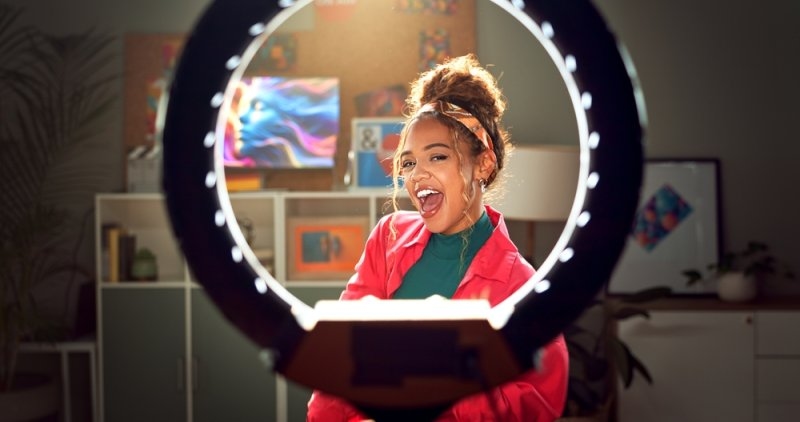
woman influencer with a ring light recording

ROI Metrics: Measuring Aided Awareness Beyond Likes & Shares

Evaluating the true value of marketing campaigns has become more important because modern consumer behavior is changing in a quiet but clear way. Organizations are currently expected to justify every dollar spent on digital promotions. This shift generates deep financial scrutiny and also creates a strong demand for advanced analytical tracking frameworks. Simple superficial numbers no longer satisfy corporate stakeholders.In this blog, you will learn everything about ROI metrics and how brands can measure them.What are ROI Metrics?ROI metrics show the exact financial returns of your advertising investment clearly. This specific model translates audience interactions into financial outcomes accurately. There are times when managers assume that simple likes create revenue growth fast. This is the reason you must never rely on vanity metrics completely.A business can use structured data points to achieve consistent growth easily. You never need to browse through unorganized social comments to prove marketing value today. Good tracking tools provide quick, direct responses on capital efficiency. Your brand has a clear and secure outline of financial results.How to Measure ROI Metrics: Step-by-StepYou can measure ROI metrics in the following steps listed below:1. Establish Definitive Financial BaselinesIt is not as crucial which tracking methods are employed during the later stages as compared to the way a company calculates pre-campaign revenues. A properly constructed baseline will give a good comparison model. The higher the quality of analytical conclusions, the better the company's performance.2. Isolate Specific Promotional VariablesIndependent data analysts sometimes have difficulty distinguishing organic market activity and seasonality from any spikes generated by promotions. Sometimes, finance departments ask marketing departments to deliver a clean set of numbers from traffic sources that would allow differentiating regular sales from promotional traffic sources.3. Track Unique Customer Acquisition LinksSometimes the first point of contact between a buyer and a product does not work as expected. However, having tracking links and coupon codes makes it very clear which customers come from. Marketing specialists only need to adjust their digital channels and have proper attributions added directly.4. Incorporate Total Operational ExpendituresMany political calculations neglect the internal time spent on campaigns or the cost of software. Calculations that take into account the costs of creating assets and using the platform will ensure proper calculations.5. Use Modern Customer Lifetime Value CalculationDependence on immediate transactions does not allow one to foresee the finances in the future properly. One can see the true value of ads very quickly by adding data on retention.Brand Awareness Metrics: Things You Must KnowEvaluating your target market requires looking beyond direct transactions today. The essential insights regarding brand awareness metrics are detailed below:1. Prioritize Aided Recall Over Impression CountsSome marketers calculate reach without checking actual brand memory. This mistake creates poor consumer retention down the line. Tracking-aided awareness through post-campaign surveys improves your data output directly.2. Monitor the Total Share of VoiceThe digital environment creates situations in which organizations must assess their brand presence independently. This is why it's important for you to always compare your competitor's media coverage with your own figures. Brand awareness indicators are powerful tools that reveal the extent of your market dominance.3. Analyze Direct Search Volume IncreasesSearch ads will hide organic interest very efficiently. It is therefore essential for you to check how many searches were made using your company name. Clean data will help you develop an effective marketing strategy.What is the Difference Between Social ROI and Engagement Metrics?You can check the following list to understand the differences between social ROI and engagement metrics:1. Financial Outcomes Versus Superficial ActionsUnderstanding what is the difference between social ROI and engagement metrics requires analyzing the end data goal completely. Social ROI measures specific financial returns directly. You calculate the actual revenue generated or leads captured from media platforms. Engagement metrics track minor online actions fast. These basic clicks or video views do not inherently generate revenue ever. This is the reason you must separate the two completely.2. Long-Term Enterprise Value Versus Immediate InteractionThere are moments when the audience response actually looks like the interaction numbers are huge without any real commercial intent. Social Return on Investment is a way of understanding how efficiently customers have been acquired by the company over a lengthy period of time. This particular model measures your organization's development from a safety perspective in the long run. Engagement measurements can only assess the short-lived reactions of web visitors during one afternoon.3. Strategic Budget Allocation Versus Content OptimizationA majority of the strategic spending decisions that executives make every day tend to rely on financial data rather than audience applause. Knowing what the difference between social ROI and engagement metrics is helps teams allocate money effectively. Social ROI dictates overall budget distribution, while engagement data merely helps designers refine creative elements.ConclusionLearning the mechanics of sophisticated campaign tracking is not about restricting creative marketing efforts. It is about improving how an enterprise operates in an analytical, data-driven business environment. Clear planning leads to better measurement choices that can get organizations better financial results.Frequently Asked Questions1. How do modern corporations use ROI metrics to improve overall efficiency?Companies mostly use ROI metrics for eliminating unprofitable advertising channels and streamlining capital allocation workflows in daily operations. This practice can even help solve various budget deficit problems. It is a strategic approach that can help an enterprise save marketing capital without compromising campaign reach.2. What is the most accurate method regarding how to measure ROI metrics?It is better to start with clear and detailed financial baselines before launching any digital campaign. Management can slowly work on isolating specific promotional variables and integrating total operational expenditures into the math model. This structured method can even help analytical teams get better and more effective tracking results over a sustained fiscal period.3. Why are brand awareness metrics vital for long-term corporate growth?Yes, brand leaders can use brand awareness metrics for navigating shifting consumer preferences and refining future expansion plans. Other than this, tracking these metrics can even help enterprises generate capital for authentic campaigns to make daily customer acquisition more predictable and highly consistent.

Text ROI under magnifying glass

Why Nano Influencers Beat Celebrity Deals for Brands

Brands used to chase celebrities because reach looked like everything. Big faces, huge audiences, instant attention. But things changed quietly. People scroll fast now, ignore polished ads, and skip anything that feels too perfect. Trust dropped. Attention too.Smaller creators started winning without making much noise. Their followers listen, reply, ask questions - sometimes even copy what they buy. That matters more than millions of passive views. Brands noticed. Slowly, budgets shifted. Not fully, but enough.In this blog, we'll look at why nano influencers often outperform celebrity partnerships, how engagement works, follower counts that matter, plus some names of top nano-influencer brands brands watch closely.Why Nano Influencers Are Becoming a Better Choice for BrandsThe biggest reason brands are moving toward nano influencers is simple - trust feels real.Celebrities sell everything. One week skincare, next week shoes, then some random energy drink. Audiences notice. It feels transactional. Sometimes forced.Nano influencers feel different. They talk like regular people because they are regular people. Followers often know details about their lives, habits, and routines. Recommendations feel personal rather than scripted.A creator with 5,000 loyal followers can sometimes drive more action than a celebrity with 5 million silent viewers. Strange at first glance, but not really.People trust people who feel reachable.Understanding the Nano Influencer Follower CountThe usual nano influencer follower count sits between 1,000 and 10,000 followers, though some marketers stretch it slightly higher.This smaller size matters. It creates tighter communities. Followers actually comment, ask questions, and even challenge opinions. Conversations happen instead of one-sided promotion.Big creators usually lose this closeness. Their audience becomes too wide, too mixed. Messages disappear into noise. Smaller audience. Stronger connection. Oddly effective.Why Nano Influencer Marketing Feels More AuthenticMost buyers can spot fake promotions quickly now. Overproduced content raises suspicion.That is where nano influencer marketing gets attention. Nano creators often shoot content in bedrooms, cafes, kitchens, or daily spaces. Lighting is imperfect sometimes. Videos feel casual.Messy feels believable. A skincare recommendation filmed in bad lighting can oddly feel more trustworthy than a celebrity commercial with studio cameras and flawless edits.Brands benefit from this because the message lands more softly. Less like selling, more like sharing.Small Communities Usually Mean Better ConversationsNano influencers reply to comments. They answer DMs. Sometimes, followers know their dog's name or daily coffee order. That level of closeness changes buying behavior.If someone you interact with regularly says a product worked, curiosity builds faster. Not pressure - curiosity. Celebrity endorsements rarely create that feeling. Fans admire celebrities, yes. But admiration is not the same thing as trust.How Nano Influencer Engagement Rate Beats Bigger AccountsOne thing marketers watch closely is the nano influencer engagement rate. This often surprises brands. Smaller creators usually get more likes, saves, comments, plus replies compared to larger influencers. Followers are active, not passive.Some reasons engagement stays high:Followers don't just scroll past-they actually care. They reply to comments and messages because they like the person behind the account, not because everyone else is talking about the latest viral post.Nano influencers tend to get specific. One might focus only on fitness routines, another on parenting hacks, local restaurants, or bookmarking their favorite books. That focused approach pulls in the right crowd, and loyalty forms quickly.Promotions don't stick out in an awkward way. They feel like something the creator would post regardless-no flashing "AD" sign every five seconds.Numbers alone can mislead brands. Reach matters, yet response matters more.Also Read: How Can a Macro Influencer Be a Game Changer for Businesses?Top Nano-Influencers Brands Are WatchingNot every nano creator becomes famous, but some have built strong communities despite smaller numbers.Here are a few top nano-influencers often discussed in niche creator spaces:Lifestyle and Fashion Nano Creators Making NoiseSome of the most effective nano creators talk about lifestyle, beauty, fashion, or what's going on at home. They're not celebrities with red carpets and paparazzi. They're regular people chatting with a tight group, and the trust runs deep. It's more "hey, I just tried this for myself" and less perfect lighting and stiff PR language.Look at wellness creators like Sophia Roe, the approachable style from Katie Sturino or small-but-mighty beauty voices sharing thrifted outfits or real skincare. People actually talk back, ask questions, and share posts.Over on Instagram and TikTok, you'll see nano creators in communities like minimal skincare, sustainable fashion, or local travel landing brand partnerships simply because their audience is all in.Here's what's wild: those tiny groups? They buy faster. A creator with just 4,000 deeply invested followers can outsell someone with millions who barely gets real conversation going.Niche Experts Often Outperform Famous FacesNiche creators quietly come out ahead where celebrities just can't connect.Say you're into gardening. Someone like Summer Rayne Oakes has carved out a space because she sticks to her thing. Her followers trust her picks. They'll DM questions, wait for her to drop new product recommendations, and actually click "buy." It's the same story with fitness advice, book reviews, parenting solutions, or food finds.A fitness creator with 2,000 followers might sell more resistance bands than a big-name athlete because people trust her story. Or a tiny skincare or food account? Same energy-real results.Don't Miss: What Trend Forecasting Means & How Does it Actually Work?ConclusionCelebrity deals still look impressive in presentations. Big names attract attention, no doubt. Yet attention alone does not guarantee trust, clicks, or sales. That gap matters more today than before.Nano creators work because audiences feel connected to them. The trust feels earned, not rented. Their smaller circles create stronger engagement, better conversations, and sometimes stronger results too. Brands chasing only reach may miss what actually changes buying decisions.FAQsAre Nano Influencers good for new brands?Absolutely, especially if you're starting small or trying not to burn cash, nano creators are affordable, and their followers actually care what they recommend. You can test products, get feedback, and find your footing without spending a fortune.How long should a Nano Influencer campaign last?A short burst can help, but showing up again and again matters more. Over a few weeks, people get used to seeing your brand. Familiarity feels comfortable and, yeah, trust grows.Can Nano Influencers help local businesses?Definitely, small gyms, coffee shops, salons, and local boutiques love working with nano creators because their audience is right there in the neighborhood. The recommendations feel genuine, and you actually see people showing up and trying things out.Do Nano Influencers only work on Instagram?No. You'll find them making waves on TikTok, YouTube, Pinterest, or in lively Facebook groups. The platform's not really the point-it's about how well they connect with their audience and keep folks engaged.
Young Nano influencer vlogging in her room

How Can a Macro Influencer Be a Game Changer for Businesses?

 Brand growth requires massive eyeballs. Running basic display ads burns your budget completely today. Consumers ignore massive corporate billboards and skip television commercials instantly. They only buy products recommended by social media macro influencers on their phone screens. You need to leverage these massive internet personalities to push your gear.In this blog, you will find out how macro influencers can be a game-changer for your business in 2026.Must Read: Types of Influencer Explained for Modern Brand MarketingWhat is a Macro Influencer?You hear marketers talk about audience sizes constantly. So, what is a macro influencer in the real world? It is a creator who commands an audience somewhere between one hundred thousand and one million followers. They sit directly between the massive A-list celebrities and the tiny, hyper-local creators. Reaching this specific level takes years of daily grinding. These people do not just post random blurry photos of their breakfast. They run heavy production studios right from their bedrooms. A macro influencer treats their social media page like a serious television network.They have actual posting schedules, professional editing teams, and strict brand guidelines. Because they built their audience from the dirt up, their followers actually trust their direct opinions. They never lost that authentic internet connection, even after hitting massive numbers. Paying for their attention gives your brand a massive megaphone. You get the polish of a massive celebrity endorsement without the impossible Hollywood price tag.They know exactly how to sell products without sounding like a desperate infomercial. Tapping into this massive tier of creators guarantees actual eyeballs on your checkout page. You buy direct access to a heavily engaged community.Why Macro Influencer Follower Count Matters?People pretend that follower numbers do not matter anymore. This is a complete lie. The macro influencer's follower count dictates exactly how much power they hold in the actual market. Look at these points to understand why that massive number changes everything:1. Instant Algorithm PushSocial platforms reward accounts that already hold massive attention. An account with five hundred thousand followers triggers the algorithm instantly. Their posts hit the explore page automatically because the system trusts their specific engagement metrics.2. Serious Data TrackingSmall accounts give you terrible analytics. A massive creator gives you hard demographic data. You see exactly where their audience lives, how old they are, and what they buy. This stops you from burning your budget on the wrong target market entirely.3. Heavy Authority StatusConsumers trust large numbers instinctively. Seeing a product endorsed by an account with half a million loyal fans builds instant credibility. It proves your brand is a serious player, not a cheap overnight scam.4. Retail LeverageYou cannot convince retail stores to stock your product with zero hype. Showing a massive creator pushing your gear forces the big buyers to pay attention. They respect the heavy follower count and stock your inventory immediately.5. Pure Conversion VolumeHigh engagement means absolutely nothing if the total pool is too small. A one percent conversion rate on a massive audience still generates incredible daily sales. The sheer volume of people seeing the link guarantees a heavy financial return.How Macro Influencers Can Become a Game Changer for Brands?Throwing money at random pages ruins margins. You need strategic partners. Here is how these heavy hitters change the game completely:1. Crashing Website ServersThese massive accounts push products so hard that websites literally break. A single well-placed video can send fifty thousand eager buyers to your store in ten minutes flat. You get an immediate flood of raw traffic with a proper macro influencer marketing campaign.2. Dictating Industry TrendsTop-tier reviewers change a hardware or beauty company forever. Their massive audience treats their word as absolute law. A good, honest review from a heavy hitter sells out your entire warehouse inventory instantly.3. Breaking Global BarriersHighly visual creators build massive empires without speaking a single word. Partnering with these universal accounts pushes your brand across international borders easily. You skip the heavy translation and localization costs completely.4. Sparking Viral TrendsMassive creators force the internet to copy their exact daily moves. Tying your brand to a massive viral challenge guarantees millions of free organic views overnight. They manufacture the hype from scratch.5. Selling Out Physical RetailBig creators launch products and force massive grocery chains to fight for the inventory. Their loyal audience will literally clear physical store shelves the second the doors open to the public.List of Top Micro Influencers for Businesses in 2026Do not ignore the smaller players while chasing the massive accounts. You need a mix of both to dominate the internet. Review this strict list of top micro influencers for businesses in 2026:1. Pierre LouisThis creator dominates the German modern fashion niche. He pushes high-end cashmere accessories to a highly targeted European audience. You get pure fashion authority.2. SEPROFE COSMETICSThey run a beauty hub out of the Netherlands. They focus entirely on cruelty-free makeup and help smaller creators build heavy cosmetic content.3. Orane Loubna FrigaraShe controls the plus-size modeling niche in France. Her audience trusts her daily fashion choices and cosmetic contact lens reviews completely.4. Nikki PawarShe commands the digital creator space in India with heavy lifestyle content. Winning serious influencer awards gives her massive credibility with local fashion brands.5. Silvina Valeria DossettoShe runs the digital parenting space in San Luis. Moms trust her daily real-life tips and basic lifestyle hacks completely.6. Beny EllesciousThis creator pushes viral reel content straight out of Nigeria. His heavy engagement rate proves his audience actually watches every single second of his videos.7. Jasai JamesManaged directly by his mother, this young creator pushes hardcore street fashion. Sneaker brands use his highly engaged page to reach the modern youth market fast.ConclusionIgnoring the power of massive online creators leaves heavy money on the table. Basic digital ads cost way too much and deliver terrible conversion rates today. You have to buy actual human attention. Partnering with a macro influencer gives your brand instant global credibility. They hold the massive audience numbers that you desperately need to scale quickly. Stop wasting time negotiating with a hundred tiny accounts that generate zero actual sales.Frequently Asked Questions1. What is a macro influencer exactly?It is a heavy digital creator boasting between one hundred thousand and one million followers. They operate like massive professional media companies. They bridge the gap between tiny niche creators and massive Hollywood celebrities.2. Why does the macro influencer follower count matter so much?Massive numbers trigger the platform algorithms instantly. It guarantees your brand gets seen by hundreds of thousands of real people. You buy pure volume and heavy audience demographic data.3. How do I balance my budget with a list of top micro influencers?You use the massive creators for heavy brand awareness and viral reach. You use the smaller accounts to drive targeted, high-conversion sales in specific and tight niches. You need both tiers to dominate the market completely.

macro influencer

How Social Media Listening Can Change Your Brand Strategy?

 Social media listening tracks exactly what buyers say about a brand when no corporate executives are watching. Companies use it to scrape the internet for unfiltered opinions on entire industries instead of blindly guessing what the market demands.This guide breaks down how organizations turn that raw digital noise into a concrete strategy that locks down profitable influencer partnerships. It also covers real-world brand examples and the strict operational rules businesses must follow to stop burning their advertising budgets.Must Read: What Trend Forecasting Means & How Does it Actually Work?What is Social Listening?The clear answer to what social listening is, it is not just counting likes or tracking direct mentions of your brand handle. That is basic social media monitoring. True listening means scraping the internet for the broader context. You track industry keywords, competitor failures, and unspoken consumer frustrations.If a customer complains about a broken zipper on a rival's backpack, listening software catches it, even if they never tag a company. It pulls thousands of unstructured conversations from forums, comment sections, and blogs, turning raw noise into actionable intelligence. You analyze the sentiment behind the words. Are people angry, excited, or just bored? You use this exact emotional data to fix your products, adapt your marketing, and intercept angry customers before a crisis explodes.Benefits of an Effective Social Listening StrategyThe benefits of having an effective social listening strategy are explained in the following list:1. Intercepting Competitor FailuresBuyers vent their frustrations online all day. When companies monitor a competitor's name next to words like "failed," "late," or "broken," they instantly find highly motivated leads. The brand just swoops in, offers a working solution, and takes the sale right out from under the rival.2. Killing PR Disasters EarlyBad news moves aggressively fast. A single bad review can go viral in hours. Active listening triggers an alarm the second negative sentiment spikes around your brand name. You handle the issue privately before it hits the mainstream news cycle.3. Guiding Product DevelopmentStop guessing what features to build next. Look at what people actually request in Reddit threads and YouTube comments. If thousands of users complain about short battery life in your industry, you make battery life the core feature of your next product launch.How to Use Social Listening for Influencer Marketing: Practical StepsInfluencer marketing burns cash fast if you pick the wrong talent. Here is exactly how to use social listening for influencer marketing without wasting your budget on fake hype.1. Identify Organic AdvocatesStop paying massive celebrities who do not care about your product. Use listening software to find micro-creators who already mention your brand naturally. If they already use and love your stuff, paying them to formalize the relationship guarantees a much higher conversion rate.2. Vetting Brand AlignmentNever hand over a check without digging through the background data first. Good software rips through a creator's post history to see who is actually watching. It scans the comment section to confirm the followers are real people with credit cards, not just cheap bot accounts leaving generic emojis.3. Tracking Campaign SentimentRaw video views mean absolutely nothing. You have to track the actual mood of the crowd. Set up monitors for the specific campaign hashtag to catch the real reactions. If the followers hate the ad and think the sponsorship feels forced, the software tells you immediately so you can pull the plug.4. Discovering Niche AuthoritiesStop looking for massive celebrities. Track the broad slang terms in your industry instead. If a company sells heavy lifting straps, they need to monitor phrases like "grip fatigue" to find the quiet experts dominating that specific conversation. Those small, highly focused accounts hold all the real buying trust.5. Monitoring Competitor CreatorsWatch who the competition pays. When a rival drops a new sponsored video, track the comment section. If the market hates their messaging and tears the ad apart, you just got a free lesson on exactly what to avoid for your own upcoming campaigns.Real-Life Examples of Social ListeningTheory is useless without proof. These examples of social listening show exactly how massive companies turn digital chatter into highly profitable campaigns.1. Wendy's "Nuggs for Carter"A teenager jokingly asked Wendy's how many retweets he needed for free chicken nuggets. Wendy's listening team caught the unprompted tweet, replied with "18 million," and sparked a massive viral campaign generating millions in free media.2. Spotify's "Wrapped" CampaignSpotify actively listens to how users joke about their own bizarre music habits on Twitter and Reddit. They took this user-generated sentiment and built the annual "Wrapped" campaign, turning personal listening data into highly shareable billboards that dominate the internet every December.3. Netflix's "Netflix and Chill" AdoptionNetflix noticed users organically using the phrase "Netflix and chill." Instead of ignoring the slang, they embraced it, using it directly in their promotional material to solidify their cultural dominance.Understanding the Best Practices for Social Listening in OrganizationsYou cannot just buy software and expect miracles. You need strict operational rules. These are the best practices for social listening in organizations.1. Look Beyond Your Own NameTracking your direct handles is the bare minimum. You must monitor broad industry terms, common misspellings of your brand name, and the names of your top three competitors. The most valuable data happens when people talk about you, not directly to you.2. Silo the Data ProperlySocial data is useless if it stays trapped in the marketing department. Send product complaints directly to the engineering team. Send lead generation opportunities straight to the sales floor. Build an internal pipeline that forces the right data into the right hands instantly.3. Filter the NoiseThe internet produces billions of posts daily. Set strict negative keywords to filter out irrelevant junk. If you sell "Apple" computers, you must exclude mentions of the actual fruit, or your data gets completely warped and unusable.ConclusionOperating a modern business without social media listening is financial suicide. You are flying completely blind while your competitors analyze every move your customers make. By implementing a ruthless strategy, you secure a massive operational advantage. You catch product flaws early and hijack competitor mistakes.Frequently Asked Questions1. What is social listening compared to standard social monitoring?Monitoring tracks direct tags and mentions to solve individual customer service tickets. Listening pulls massive amounts of unstructured data to understand broader industry trends and the overall emotional sentiment behind those conversations.2. How to use social listening for influencer marketing on a tight budget?Forget the massive celebrities. Use your software to find small creators who already talk about your gear for free. They are much cheaper to sponsor, and their followers actually trust them enough to swipe a credit card.3. What is the most critical part of a social listening strategy?Action. Gathering the data is completely pointless if you do not actually use it to fix your broken products, adjust your marketing copy, or improve your customer service response times.

social media listening

What Trend Forecasting Means & How Does it Actually Work?

To survive in 2026, you must master trend forecasting before your rivals do. The global market is moving too fast for slow thinkers. You cannot rely on lucky guesses to build a successful brand anymore. Guessing is a fast way to lose your entire budget. You need a hard system to see what is coming next. This guide breaks down exactly how to spot shifts in the market. You will learn how to turn raw data into massive profit.Must Read: Influencer Marketing Funnel for Brand Growth and ConversionsWhy Trend Forecasting Matters for Brands?Running a business without a forecast is like driving a car in the dark. You are moving fast, but you have no idea what is in front of you. Most brands fail because they build products for yesterday. They see a trend when it is already dying. By the time their product hits the shelves, the audience has moved on. This creates massive waste and unsold inventory.Trend forecasting stops this cycle. It gives you a clear vision of the future. When you know what people will want in six months, you win. You can secure your raw materials early. You can design your marketing campaigns with total confidence. You aren't just reacting to the market. You are leading it.What is Trend Forecasting?You must understand the raw mechanics of this field. What is trend forecasting? It is the calculated practice of predicting future consumer habits. It is not about magic or using a crystal ball. It is a hard science that relies on data, history, and human psychology.Forecasters look for patterns in how people live, work, and spend money. They do not just look at one single event. They look at the entire history of the market. They track how social movements change what people value. For example, if people start valuing home comfort more, the forecaster predicts a rise in loungewear and home office gear.There is a big difference between a fad and a trend. A fad is a short burst of energy that dies fast. Think of a viral dance or a silly internet joke. A trend is a deep shift in behavior that lasts for years. Good forecasting focuses on these deep shifts. It identifies the foundational changes in the global landscape. Once you see the shift, you can build a business that lasts. You stop chasing ghosts and start building real assets.Top Pick: What is Social Media Monitoring, Its Importance, & Benefits?How Does Trend Forecasting Work?You need a hard system to get real results. Guessing will just bankrupt you. Therefore, check below to understand how trend forecasting works:1. Hunt for Raw DataAnalysts scrape information from everywhere. They pull search metrics, global news, and retail sales reports. They read random public comments. They demand hard numbers from every single industry.2. Find the Hidden LinkA massive pile of numbers is totally useless on its own. You have to connect the dots. Forecasters watch for repeated human actions. Maybe kids in Tokyo and bankers in London suddenly start buying the exact same bag. That means a massive pattern is forming.3. Demand the ContextYou have to figure out exactly why the shift is happening today. Did a massive movie just drop? Did the economy crash? Knowing the actual reason tells you exactly how long the trend will survive. Context dictates everything.4. Build the BlueprintAnalysts turn all that raw data into a physical guide. This report tells the company exactly what to build next. It lists the specific colors and materials people will buy next year. It gives the design team a perfect target.5. Launch and WatchThe company builds the physical item and puts it on the shelf. Then they watch the daily sales numbers closely. If the market shifts again, they adjust the plan instantly.This strict data model keeps a business alive. It kills the fear of the unknown. You see the entire market clearly. You never have to worry about a product launch failing again.How to Become a Trend Forecaster?The world needs more people who can read the future. Learning how to become a trend forecaster is a smart career move.1. Study Human Psychology DailyYou must understand why people buy things. Read books on buyer behavior. Learn what triggers an emotional response in a customer. If you understand the mind, you can predict the action.2. Master Modern Data ToolsYou need to be comfortable with spreadsheets and analytics software. Use tools that track keyword growth and social mentions. Numbers are your best friend in this industry. They never lie.3. Watch the Arts and CultureTrends often start in small, creative circles. Watch underground fashion, indie films, and new music. What the "cool" kids are doing today, the mainstream will do next year.4. Build a Track RecordStart making small predictions on your own. Write them down and see if they come true. Document your wins. A strong portfolio of successful predictions is better than any resume.5. Stay Curious About EverythingA good forecaster never stops learning. Read about politics, technology, and science. Everything in the world is connected. A breakthrough in technology today can change fashion trends tomorrow.ConclusionLearning to see the future is the only way to stay safe in business. Trend forecasting is not a luxury. It is a requirement for survival. Clear thinking and hard data will always beat lucky guesses. Start by observing the small patterns in your own industry. Build a strong historical foundation and look for the shifts. Manage your brand with confidence and watch your final revenue numbers grow. The market is moving. Make sure you are moving with it.Frequently Asked Questions1. What is trend forecasting in simple terms?It is a process that involves looking at current data to predict what people will buy in the future. It helps brands make smart choices about their products.2. How does trend forecasting work for small stores?Small stores can use free digital tools to track what is popular on social media. You do not need a big budget. You just need to pay attention to your customers.3. How to become a trend forecaster without a degree?Forget the college diploma. Nobody cares about paper if you can actually predict the market. Just build a raw track record. Call a trend early, write it down, and prove you were right six months later. Teach yourself how to read a spreadsheet and figure out exactly why people buy things. Companies only care if you can actually make them money.

Wooden letterpress blocks spelling ‘Trend Prediction’ on a rustic wooden surface.

Influencer Marketing Funnel for Brand Growth and Conversions

 Here's the thing. Influencer marketing is no longer a splashy side tactic or a quick brand awareness play. It has grown up. Today, it behaves much more like a structured customer journey, complete with touchpoints, emotional nudges, and moments that push people closer to buying. That's where the influencer marketing funnel comes in. This blog walks through how that funnel works, why it matters for brand growth and conversions, and how smart brands in the US are shaping strategies that feel human, not forced. We will talk through each stage, share influencer marketing funnel examples, and connect the dots between storytelling, trust, and real business results.Influencer Marketing Funnel And Why It MattersBefore we get tactical, let's ground ourselves. The influencer marketing funnel is not about controlling audiences. It is about guiding them. Think of it like inviting someone to a backyard barbecue. You do not pitch them the grill the moment they walk in. You chat. You offer a drink. You build comfort. That same rhythm applies here.Understanding The Funnel MindsetAt its core, the influencer marketing funnel maps how people move from first exposure to final action. Awareness leads to interest. Interest builds trust. Trust nudges action. Simple on paper, a little messy in real life.What makes influencers powerful is their role as social translators. They speak brand language in a way that feels natural. When brands skip the funnel and jump straight to sales posts, audiences feel it. And they scroll past.Why Funnels Beat One-Off CampaignsOne post rarely changes behavior. Repetition does. Consistency does. The funnel mindset helps brands think beyond single activations and toward ongoing influence.Brands that use a funnel approach often see better engagement rates, lower acquisition costs, and stronger lifetime value. Not overnight, but steadily. Honestly, that slow burn is where the magic sits.Awareness Stage: Where Attention First SparksThis is the wide top of the funnel. It is loud, crowded, and competitive. A short intro here matters because awareness is not about selling. It is about being noticed without being annoying.Content That Stops The ScrollAt this stage, creators focus on relatability and entertainment. Think Instagram Reels, TikTok trends, YouTube Shorts. The goal is simple. Make someone pause.Influencer marketing funnel examples at this stage often include day-in-the-life clips, casual product mentions, or seasonal content like summer travel or back-to-school routines.Choosing The Right Influencers EarlyBigger is not always better. Micro creators often shine here because their content feels less polished and more real. That authenticity helps awareness feel earned, not pushed.Brands like Glossier and Gymshark built early momentum by letting creators speak freely. No stiff scripts. No corporate tone. Just real people sharing real moments.Consideration Stage: Where Curiosity GrowsOnce awareness clicks, people want more context. This stage is quieter, slower, and more thoughtful. It is where the influencer marketing funnel begins to do some heavy lifting.Storytelling That Adds ContextHere, creators go deeper. They explain how a product fits into their routine. They answer unspoken questions. Does it last? Is it worth the price? Would I buy it again?Long-form YouTube videos, Instagram carousels, and podcast mentions work well here. They give space for nuance. And nuance builds confidence.Social Proof And Subtle SignalsYou know what? People trust people who look like them. When creators share honest pros and cons, it feels refreshing. Even a small critique can boost credibility.This is also where comments matter. Active discussions signal relevance. Brands that engage back, without sounding robotic, stand out fast.Conversion Stage: Turning Trust Into ActionThis is the moment brands often rush. But when earlier stages are done right, conversions feel natural, not forced. A short intro here matters because conversion is emotional, not just logical.Clear Calls Without PressureDiscount codes, affiliate links, and limited-time bundles. These tools work when framed as helpful, not urgent.Creators often say things like, I use this every day or This saved me time last week. That personal angle makes the action feel reasonable.Landing Pages That Match The MoodHere's a small but costly mistake. Sending traffic to generic product pages. If the creator shared a cozy, relatable story, the landing page should echo that tone.Brands like Away and Brooklinen do this well. Clean pages. Simple language. Familiar visuals. Nothing jarring.Loyalty Stage: Keeping The Relationship AliveMany brands forget this stage. Big mistake. Loyalty is where growth compounds. A quick intro here helps because loyalty is about memory and habit.Ongoing Creator PartnershipsLong-term partnerships feel more believable. When audiences see the same creator using a product months later, trust deepens.Subscription brands, skincare companies, and fitness apps thrive here. Repeated exposure reinforces value without repeating the pitch.Community And Shared IdentityLoyalty grows when customers feel part of something. Creators can host Q and A sessions, challenges, or live chats that keep the conversation going.This stage often blends into advocacy. Fans become promoters. And that, honestly, is priceless.Mapping The Stages Of The Influencer Marketing FunnelLet us explain how all of this connects. The stages of the influencer marketing funnel are not rigid boxes. They overlap. People move back and forth.A viewer might discover a brand on TikTok, research it on YouTube, wait three weeks, then buy after a friend shares a discount code. The funnel flexes.The key is intention. Each piece of content should know its role. Not everything needs to sell. Some content just needs to exist and feel right.Building A Practical Influencer Marketing Funnel StrategyStrategy sounds intimidating, but it does not have to be. Think of it as planning a road trip. You know the destination. You plan a few stops. You stay flexible.Start With Audience BehaviorWhere does your audience hang out? What content do they save? What do they ignore? Tools like Sprout Social, Hootsuite, and native platform analytics help here.US audiences often respond well to educational content mixed with humor. Dry pitches rarely land.Match Creators To Funnel StagesNot every creator fits every stage. Some are great storytellers. Others drive action. Mixing them intentionally strengthens results.A strong influencer marketing funnel strategy assigns roles clearly while giving creators room to sound like themselves.ConclusionThe influencer marketing funnel is not a trick. It is a framework for respect. Respect for how people think, feel, and decide. When brands honor that journey, growth follows.From awareness to loyalty, each stage builds on the last. The brands winning right now are not louder. They are smarter. They listen. They adapt. And they let creators do what they do best. Connect like humans.FAQsWhat Is An Influencer Marketing Funnel?It is a structured way to guide audiences from discovery to purchase using influencer content across different stages.How Long Does An Influencer Funnel Take To Work?Results vary, but most brands see meaningful movement within three to six months of consistent campaigns.Are Micro-Influencers Better For Funnels?Often, yes, especially for consideration and loyalty, because their audiences tend to trust them more.Can Small Brands Use This Approach?Absolutely. Smaller brands often move faster and build stronger relationships with creators early on.

Influencer Marketing Funnel

Types of Influencer Explained for Modern Brand Marketing

 Influencer marketing doesn't feel new anymore, yet it keeps changing shape. One minute it's all about viral TikToks, the next it's quiet long-form YouTube reviews that actually sell. Brands feel the pressure to "get it right," but here's the thing. You can't win the game if you don't understand the types of influencers you're working with.This blog walks you through the different types of influencers, how they show up across platforms, and why some work better than others depending on your goals. We'll also answer the surprisingly common question, what are 4 types of influencers, without the fluff. Expect practical insight, a few honest observations, and examples that feel real rather than textbook-perfect.Types of Influencers Based on Audience SizeNot all influence is loud. Some of it whispers and still gets results. This first breakdown focuses on reach, because audience size still matters, just not in the way it used to.Mega Influencers: The Household NamesThese are the celebrities of social media. Think of athletes, movie stars, or creators with millions of followers across Instagram, TikTok, or YouTube. When a mega influencer posts, awareness spikes fast. Nike, Pepsi, and Apple play comfortably in this space.The catch? Engagement can feel distant. Followers admire more than they interact. These creators work best for massive visibility, not nuanced storytelling.Macro Influencers: The Polished ProfessionalsMacro influencers usually sit between 100,000 and one million followers. They're known, respected, and often niche-focused. A beauty creator reviewing Sephora launches, or a tech reviewer unboxing the latest Samsung device, fits here.Brands like them because they balance reach and trust. Their content looks professional, but still feels human enough to spark conversation.Micro Influencers: The Trust BuildersMicro influencers tend to have 10,000 to 100,000 followers. This is where influence starts to feel personal. Their audiences comment, ask questions, and actually listen.You know what? This group often outperforms larger creators on engagement. Fitness studios, local retailers, and DTC brands in the US lean heavily on micro creators because their recommendations feel like advice from a friend.Nano Influencers: The Everyday VoicesNano influencers usually have under 10,000 followers. At first glance, they don't seem powerful. Look closer, and you'll see loyalty that's hard to buy.Their content feels raw, imperfect, and real. Brands testing new products or launching region-specific campaigns often start here. It's grassroots marketing, digital-style.Types Of Social Media Influencers By PlatformReach is only half the story. Where influence lives matters just as much, each platform shapes how creators connect with people.Instagram Influencers: Visual StorytellersInstagram remains a visual-first space. Fashion, travel, food, and lifestyle creators thrive here. Reels brought energy back, while Stories keep things casual and immediate.Instagram influencers work well for brand aesthetics. If your product needs to look good before it sells, this is your playground.YouTube Influencers: Long Form Trust BuildersYouTube is slower, but deeper. Reviews, tutorials, and day-in-the-life videos build serious credibility over time. Think tech channels reviewing laptops or parenting creators testing baby gear.Here's the thing. People search YouTube with intent. That makes these creators powerful at the decision stage.TikTok Influencers: Trend StartersTikTok moves fast. Trends pop, peak, and vanish. Influencers here win by being relatable and quick on their feet. Authenticity matters more than polish.US brands targeting Gen Z and younger millennials love TikTok because it feels less like advertising and more like culture happening in real time.LinkedIn Influencers: The Quiet AuthoritiesThis one surprises people. LinkedIn creators shape opinions in B2B, hiring, and professional education. SaaS founders, marketers, and HR voices lead here.Influence on LinkedIn doesn't shout. It explains, persuades, and nudges decisions slowly but steadily.What Are the 4 Types Of Influencers Brands Should KnowLet me explain this the way marketers actually think about it, not how slideshows describe it. Beyond follower counts and platforms, brands usually work with four functional categories.Content Creators: The Story DriversThese influencers know how to make things look and sound right. They're hired as much for content as for reach. Many brands reuse their videos in ads or emails.They shine when storytelling matters more than raw exposure.Thought Leaders: The Opinion ShapersThought leaders influence how people think, not just what they buy. They're common in finance, wellness, sustainability, and tech.Their posts spark discussion. Brands partner with them when credibility matters more than clicks.Community Builders: The Relationship HoldersThese influencers focus on interaction. Discord groups, live streams, and comment replies. Their audiences feel seen.Honestly, they don't always scale fast, but loyalty runs deep. Subscription brands and niche services benefit most here.Trend Amplifiers: The Momentum CreatorsThese influencers spot trends early and push them forward. They're often platform-native and experimental.Brands use them when timing matters and relevance is fragile.How Brands Choose The Right Influencer MixThere's no universal formula. But there is a pattern smart brands follow, even if they don't talk about it openly.They ask:Who is this for?Where does this audience hang out?What emotion should this spark?Data helps, but instinct plays a role. Sometimes a creator just fits. Their tone, timing, and audience energy line up.Tools like Aspire, CreatorIQ, and Upfluence help brands in the US manage this complexity, but decisions still come down to human judgment.Common Missteps Brands Still MakeLet's be real for a second. Influencer marketing still trips brands up.One mistake is chasing follower counts without context. Another is scripting creators too tightly. The content looks like an ad, and people scroll past.There's also impatience. Influence builds over time. One post rarely changes everything.And yes, sometimes a campaign fails. That's not always bad. It teaches you who your audience listens to and who they don't.ConclusionInfluencer marketing works best when it feels less like marketing. Understanding the types of influencer available helps brands move with intention rather than guesswork.Whether you're comparing types of social media influencers or trying to answer what are 4 types of influencers are that truly move the needle, the real goal stays the same. Build trust, earn attention, and show up where it makes sense.The brands winning today aren't louder. They're smarter, more patient, and surprisingly human.FAQsWhat is the Most Effective Type of Influencer?It depends on the goal. Micro influencers often deliver strong engagement, while macro influencers help with visibility.Are Nano Influencers Worth Working With?Yes, especially for niche or local campaigns. Their audiences trust them deeply.How Do Brands Measure Influencer Success?Engagement, conversions, and content quality matter more than follower growth alone.Can Small Businesses Use Influencer Marketing?Absolutely. Many small US brands succeed by partnering with micro and nano influencers first.

Influencers recording their video

What is Social Media Monitoring, Its Importance, & Benefits?

 Social media monitoring means tracking what people say online about a business, topic, or service. It shows what customers feel, what they need, and what they complain about. This blog explains what is social media monitoring, the role it plays, how to monitor social media, the benefits, and the key factors that affect results.What is Social Media Monitoring?People post opinions every day. They post fast. They post without thinking much. And they post without tagging anyone most of the time. This is brands need to know what is social media monitoring.It is the process of tracking online conversations on social platforms. It includes comments, mentions, messages, replies, reviews, hashtags, and even casual posts that do not directly tag the brand. It helps teams understand what people are saying right now, not later.This is important because online talk does not wait. A question can turn into frustration. A complaint can turn into a public issue. Even a simple misunderstanding can spread quickly. Monitoring helps spot these moments early.What is the Role of Social Media MonitoringYou can check the following list to understand the role of social media monitoring:Keeps the Brand Aware of Real ConversationsNot all online discussions are direct. Many people would post opinions without tagging anyone. Monitoring captures those conversations. It tells the brand what the public is thinking, how they are reacting, and what topics keep cropping up again and again.Makes Customer Support Faster and More VisibleMany customers treat social platforms like a help desk. They ask openly. They write issues in the comments. Monitoring makes sure that these messages do not get lost. A fast reply can lessen frustration and calm down the situation before it gets any bigger.Prevents Reputation Damage Before It SpreadsComplaints travel fast online. One negative post can become a chain of replies within minutes. Monitoring helps identify these situations early on. When the response is quick and respectful, it can stop the damage. It also shows the public that the brand takes responsibility.Help Brands to Understand Customer DemandsCustomers share needs in simple ways: they say what they love, what they dislike, and what they wish was better. Monitoring picks up these clues. Aggregated over time, the data allows brands to understand expectations, common pain points, and what customers value the most.Supports Campaign Tracking and Public FeedbackCampaign results are not just numbers; people react through comments and conversations. Monitoring helps in tracking those reactions, including untagged ones. It shows what message worked, what confused people, and what the audience actually remembered after seeing the campaign.How to Monitor Social Media: Step-by-StepYou can check below to understand how to monitor social media in an organized way:1. Decide The Things That Need to Be TrackedThe team must define the purpose first. It can be focused on customer support, campaign feedback, or even reputation control. Clear goals help avoid noise. It keeps monitoring focused on useful conversations, not every random post on the platform.2. Create a Strong List of KeywordsKeywords: The cornerstones of tracking. Brand name variations, product and service names, advertising phrases, and typed search terms belong here. Add your industry's terms that our customers search for. A poor key list equals blind spots.3. Monitoring Tagged and Untagged MentionsPeople don't necessarily tag us when they talk about official pages. They talk about us in sentences without tagging us. Brands also have to consider capturing the mentions that are not tagged. These are the same sentences that may contain honest feedback and help us notice both the praise and the complaints.4. Prioritize by UrgencyIt is important to note that not all messages require the same level of response time. Complaints must be addressed promptly, questions must be answered in an enlightened forum with adequate responses, while general feedback can be addressed later.5. Respond Consistently and Track What You LearnMonitoring is only effective if you do something with that data. Responses need to be polite, direct, and respectful. In addition, track patterns in issues that repeat or in frequently asked questions. These patterns can influence messaging, script development, and content.What are the Benefits of Social Media Monitoring?Below are the key benefits that businesses gain when monitoring is done properly and consistently.Improved Understanding of Public OpinionMonitoring gives access to real conversations. It shows what people like, what they dislike, and what they expect. It helps brands understand the tone around their products and services. This leads to better decisions based on real feedback, not assumptions.Stronger Customer Trust Through Timely RepliesCustomers feel respected when a brand responds quickly and clearly. Monitoring helps teams reply while the conversation is still active. This reduces frustration. It also builds loyalty, because customers see the brand is present and listening.Better Campaign Insights and Content DirectionCampaign results are more than views and clicks. Comments and reactions show the real impact. Monitoring captures this feedback. It helps brands understand what messages worked and what did not. Over time, content becomes more targeted and useful.Faster Control of Negative FeedbackNegative posts can grow fast if ignored. Monitoring helps spot complaints early. A calm reply can stop misunderstanding. A clear explanation can reduce tension. This protects reputation and shows responsibility, which matters a lot in public spaces.Finding Loyal Supporters and Brand AdvocatesMany loyal users talk about brands without tagging them. Monitoring helps identify these supporters. This allows the brand to engage, thank them, and build community. It also helps collect authentic feedback that can guide future improvements.ConclusionMonitoring helps brands stay aware, respond faster, and build stronger customer trust. It captures real feedback and prevents small issues from growing into public problems. When done with the right keywords, consistent checks, and clear replies, it becomes a reliable system for better online communication.Frequently Asked Questions1. What is social media monitoring in the simplest way?What is social media monitoring means tracking online conversations about a business, product, or topic. It includes comments, mentions, messages, and feedback.2. How to monitor social media without wasting time?To learn how to monitor social media, the team should track clear keywords, review comments daily, sort messages by urgency, and respond politely.3. Why do businesses need monitoring today?They need it because people talk publicly. Complaints and questions are shared openly. Monitoring helps businesses respond on time and protect their reputation.

Social Media Monitoring